

Businesses aiming to increase their global presence must comprehend the functions and duties of the Importer of Record (IOR) and the Exporter of Record (EOR) in the dynamic world of international trade. Understanding these ideas will help you stay compliant, steer clear of expensive fines, and optimize your supply chain, regardless of your level of experience with cross-border logistics. Here, we will examine the key points of IOR and EOR, explain how they differ, and emphasize how working with a respectable logistics company in Dubai can have a significant impact.
What Is Importer Of Record (IOR)?
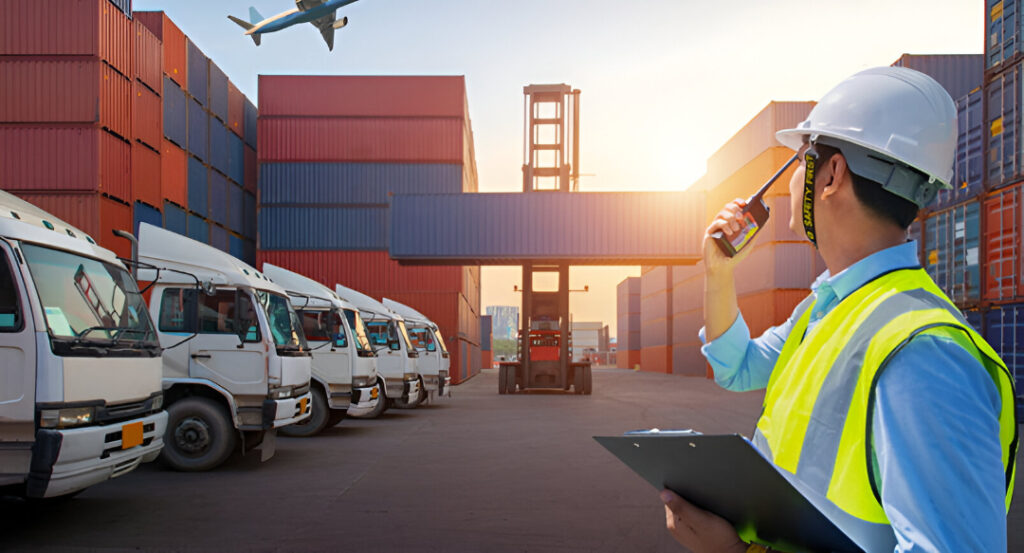
Fundamentally, the Importer of Record is the party legally in charge of making sure that imported goods abide by all laws, rules, and taxes in the country of destination. Import procedures in Dubai and the UAE at large can be intricate, involving several government agencies, including local governments and the Federal Customs Authority.
The answer to the question, “What is Importer of Record in Dubai?” is simple: This entity is required to –
- Accurately and promptly file customs documentation.
- In accordance with applicable free trade agreements and Harmonized System (HS) codes, pay import taxes and duties.
- Ensure adherence to regional regulations, such as the Emirates Conformity Assessment Scheme (ECAS) for specific goods.
Fines, delays in shipments, or even the seizure of goods may follow noncompliance with these commitments. To easily handle these requirements, many businesses choose to use specialized IOR EOR services in UAE.
What Is An Exporter Of Record (EOR)?
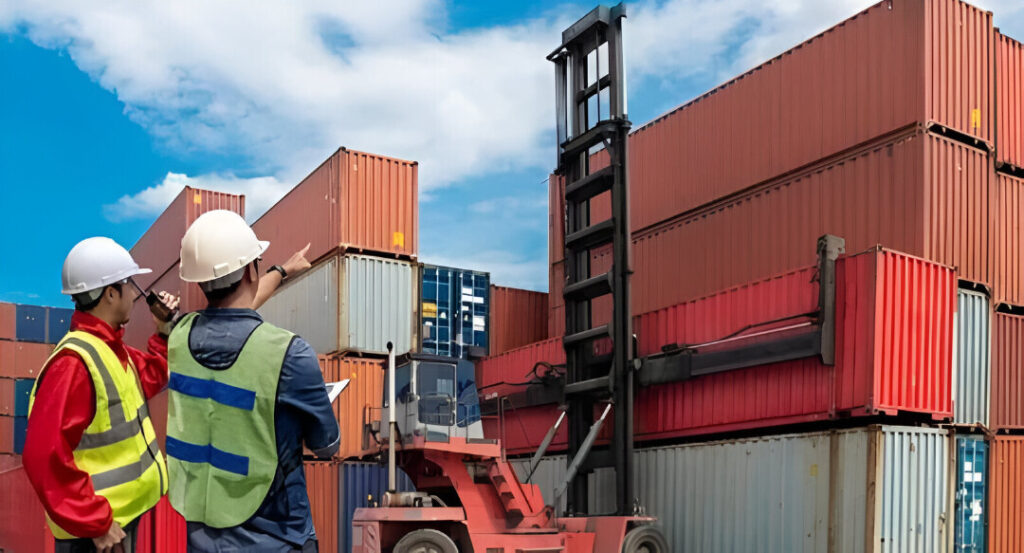
On the other hand, the person in charge of making sure that shipped goods adhere to the export laws of the country of origin is known as the Exporter of Record. This function is particularly important when working with dual-use products, restricted technologies, or sanctioned goods.
- Creating export declarations and securing the required licenses are two of the EOR’s primary duties.
- Assigning the appropriate export control classification number (ECCN) to the products.
- Managing paperwork like bills of lading and coordinating with carriers to fulfill departure deadlines.
Businesses can lower the risk of non-compliance, prevent expensive shipping errors, and improve overall customer satisfaction by utilizing EOR services for global trade.
IOR vs EOR Difference – Side By Side
Any business handling imports and exports must comprehend the IOR vs EOR difference. Although regulatory compliance is the overarching objective of both positions, their areas of responsibility are different –
| Aspect | Importer of Record (IOR) | Exporter of Record (EOR) |
| Primary Jurisdiction | Destination country’s regulations | Origin country’s regulations |
| Key Responsibilities | Customs clearance, duty payment, local compliance | Export declarations, licenses, export compliance |
| Common Challenges | Changing import tariffs, local standard updates | Export controls, sanctions lists |
| Typical Engagement | When goods cross into customs territory | When goods leave the country of origin |
Organizations can manage all aspects of trade under one roof and guarantee seamless import and export operations by collaborating with a logistics company in Dubai that specializes in both IOR and EOR.
Why Compliance Matters – UAE Import Export Compliance
UAE import export compliance is a must whether you’re exporting completed goods or importing raw materials. To ensure fair trade practices, protect national security, and protect consumers, the UAE has put in place a strong legal framework. Important compliance pillars consist of –
- Correct HS Code Classification – Inaccurate classification may result in heavy fines or insufficient duty payments.
- Lists of Restricted and Prohibited Goods – Some products, like dual-use technologies or hazardous materials, might be completely prohibited or call for special permits.
- Local Quality Standards – Products such as toys, electronics, and textiles frequently require conformance certificates under the Emirates Quality Mark or ECAS.
In addition to endangering shipments, breaking these rules can harm a brand’s reputation. Employing expert IOR EOR services in UAE gives businesses access to comprehensive regulatory knowledge, enabling them to stay ahead of the competition and steer clear of pitfalls.
Benefits Of Outsourcing IOR & EOR Services
There are several benefits to using third-party IOR/EOR providers –
- Expertise & Local Knowledge – Comprehensive knowledge of tariff schedules, documentation requirements, and customs laws.
- Savings – Import/export expenses can be considerably decreased by using free zones, optimizing duty payment plans, and conducting tariff classification audits.
- Risk Mitigation – Risk mitigation is the process of lowering the chance of non-compliance, fines, and shipment delays.
- Operational Efficiency – Improved coordination with carriers and customs officials, expedited clearance times, and simplified logistics.
Including EOR services for global trade in your logistics plan can help you enter new markets with the least amount of hassle, regardless of whether you’re a large corporation or a developing SME.
How To Choose The Right Logistics Partner
It is crucial to choose the best logistics company in Dubai to manage IOR and EOR duties. The following are important things to think about –
- Track Record & Reputation – Seek out businesses with a solid compliance record and a track record of managing intricate customs procedures.
- Technology & Transparency – Availability of digital documentation platforms, compliance dashboards, and real-time shipment tracking.
- Global Network – To enable smooth cross-border movements, a vast network of agents, carriers, and bonded warehouses is in place.
- Customized Solutions – The capacity to create IOR/EOR packages that are specifically suited to your trade routes, product types, and volumes.
A strategic alliance with a logistics company that provides full IOR EOR services in UAE will enable your company to concentrate on expansion while knowing that regulatory obligations are handled with skill.
Conclusion
The roles of importer and exporter of records are more important than ever in the connected economy of today. Businesses need to use specialized knowledge to stay competitive, from managing complicated paperwork and duty payment requirements to guaranteeing UAE import export compliance. Knowing the difference between IOR and EOR enables businesses to minimize expenses, make well-informed decisions, and stay clear of regulatory pitfalls.
Working with a trustworthy logistics company in Dubai that provides end-to-end IOR EOR services in UAE is essential for businesses wishing to streamline their international trade operations. This will open up new markets and promote long-term growth. The correct logistics partner will help you at every stage, turning regulatory complexity into a competitive edge, whether you’re looking for comprehensive EOR services for international trade or are wondering “What is Importer of Record in Dubai?”
Also Read: Shipment vs. Cargo Key Differences You Should Know

Qasim is a logistics expert at Sarab DXB, specializing in freight forwarding, customs clearance, and end-to-end supply chain solutions in Dubai and across the GCC. With a strong focus on efficiency and real-time cargo visibility, he helps businesses streamline shipping operations and ensure timely, cost-effective deliveries.