
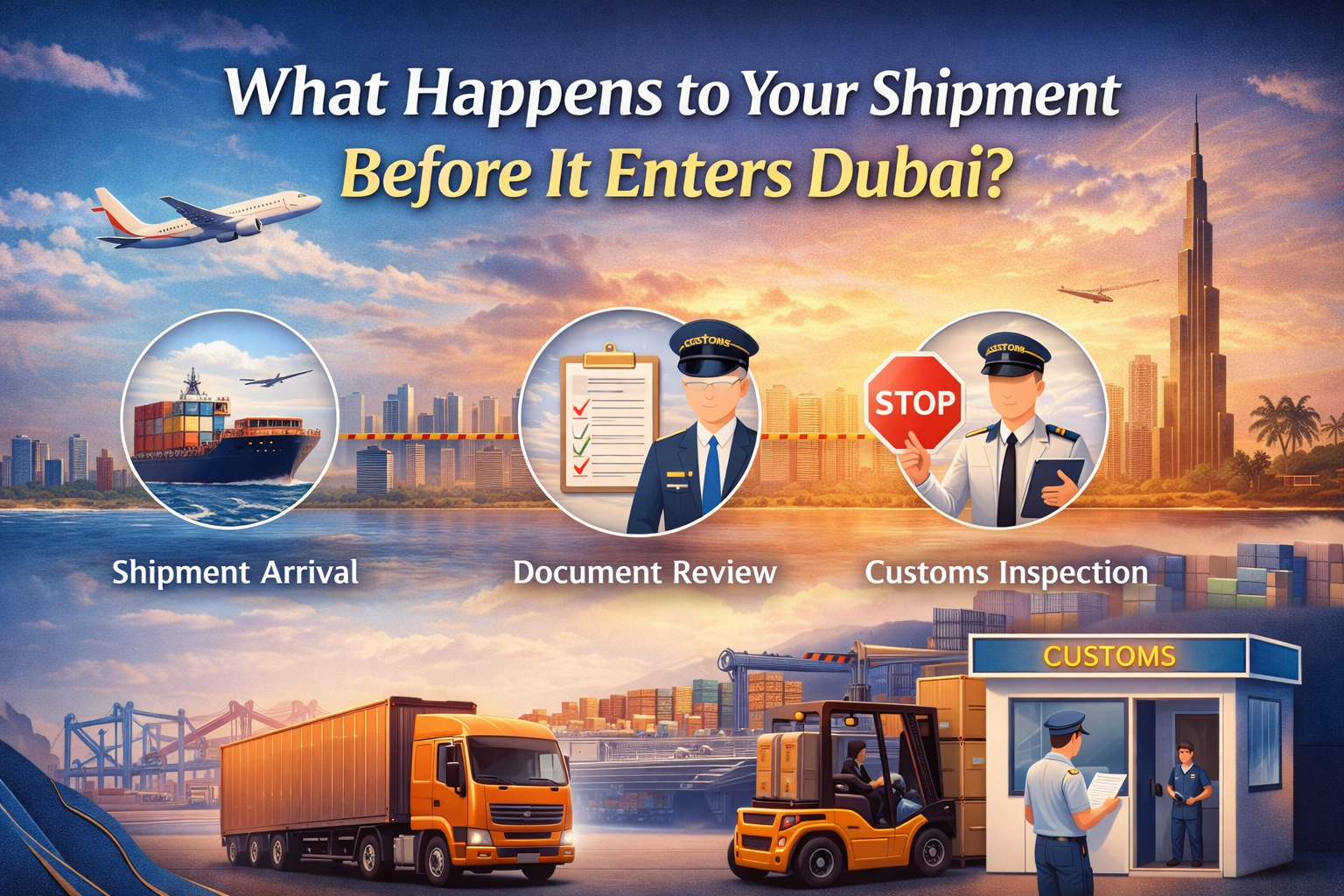
Every shipment entering or leaving Dubai goes through an important process before it reaches its final destination. This process is known as customs clearance, and the document that confirms the shipment has passed inspection is called a Customs Clearance Certificate.
For businesses involved in international trade, this certificate plays a key role in ensuring that goods are legally allowed to move across borders. Whether a company is importing products into the UAE or exporting them to global markets, customs authorities must verify the shipment, review documentation, and confirm that all regulations have been followed.
Understanding how this process works can help businesses avoid delays, unexpected costs, and compliance issues. This guide explains the customs clearance certificate, why it is important, and how businesses can obtain one in Dubai.
Understanding the Customs Clearance Certificate
A Customs Clearance Certificate is an official confirmation issued by customs authorities stating that a shipment has been inspected and approved. It indicates that the goods meet local regulations and that all duties, taxes, and documentation requirements have been fulfilled.
This certificate is essential for both import and export activities. Without it, shipments cannot legally enter or leave the country. Customs clearance helps governments regulate international trade while ensuring that restricted or illegal goods do not enter the market.
Once customs authorities approve the shipment and issue the certificate, the goods can continue their journey to warehouses, retailers, or customers.
Why Customs Clearance Matters for Businesses in Dubai
Dubai is one of the world’s most active trading hubs, connecting businesses across Asia, Europe, and Africa. Because of this high level of trade activity, the customs clearance process plays a critical role in maintaining organized and secure trade operations.
When shipments arrive at ports, airports, or border checkpoints, customs authorities review the cargo details and supporting documents. This ensures that goods comply with UAE import and export regulations.
For businesses, proper customs clearance helps prevent shipment delays and ensures that goods move smoothly through the logistics process. It also confirms that the appropriate customs duties and taxes have been paid.
Without proper clearance, shipments may be held at ports, leading to additional storage charges and logistical complications.
How to Get a Customs Clearance Certificate
Obtaining a customs clearance certificate in Dubai involves a structured process that ensures the shipment meets all regulatory requirements.
The first step is preparing the necessary documentation related to the shipment. Businesses must provide details about the goods, their value, origin, and transportation method. These documents are submitted through the UAE customs system or by a licensed customs clearance agent.
Once the documents are submitted, customs authorities review the information and determine whether any duties, taxes, or inspections are required. In some cases, customs officials may conduct a physical inspection of the cargo to verify that the shipment matches the declared details.
After the verification process is completed and all required payments are made, customs authorities approve the shipment. At this stage, the customs clearance certificate is issued, allowing the goods to enter or leave the country legally.
Many companies prefer to work with professional customs clearance service providers because they are familiar with UAE regulations and can handle documentation, approvals, and communication with customs authorities efficiently.
Documents Required for Customs Clearance
When applying for a customs clearance certificate, businesses must provide several documents that help customs authorities verify the shipment.
Typically, these documents include the commercial invoice, which details the value and description of the goods, and the packing list, which outlines the shipment contents. Transportation documents such as the bill of lading or airway bill are also required to confirm how the goods are being transported.
In addition, customs authorities may request a certificate of origin, import or export permits, and a customs declaration form. The exact documentation requirements may vary depending on the type of goods being shipped and the country of origin.
Providing accurate and complete documentation is essential for avoiding delays during the clearance process.
Challenges Businesses Often Face During Customs Clearance
Although the customs clearance process is well structured, businesses may encounter certain challenges when dealing with international shipments.
One of the most common issues is incomplete or inaccurate documentation. Even a small error in the shipment details can cause delays while customs authorities verify the information.
Another challenge occurs when goods fall under restricted categories that require special approvals. Certain items such as medical equipment, electronics, or food products may need additional permits from relevant authorities before customs approval can be granted.
Incorrect classification of products under the customs tariff system can also lead to incorrect duty calculations or penalties.
Because of these challenges, many businesses rely on experienced customs clearance professionals who understand the regulations and can manage the process efficiently.
How Professional Customs Clearance Services Help
Working with a professional customs clearance service provider can significantly simplify the import and export process. These experts understand the documentation requirements, regulatory procedures, and customs systems used in the UAE.
By managing the entire clearance process, they help businesses reduce delays, ensure compliance with government regulations, and avoid unnecessary penalties.
Professional agents also communicate directly with customs authorities, coordinate inspections, and ensure that duties and taxes are processed correctly. This allows businesses to focus on their core operations while logistics professionals handle the complex customs procedures.
Why Businesses Choose SARAB for Customs Clearance Support
Navigating customs regulations can be challenging, especially for businesses handling international shipments regularly. SARAB provides professional assistance for customs clearance processes, helping companies move their goods across borders smoothly.
Their team supports businesses by preparing documentation, coordinating with customs authorities, and ensuring that shipments meet UAE regulations. With expert guidance and efficient processing, companies can reduce delays and maintain a reliable supply chain.
Frequently Asked Questions (FAQs)
What is a customs clearance certificate?
A customs clearance certificate is an official confirmation issued by customs authorities stating that a shipment has passed inspection and meets the required regulations. It confirms that duties and taxes have been paid and that the goods can legally enter or leave the country.
Who needs a customs clearance certificate?
Any individual or business importing or exporting goods across international borders typically requires a customs clearance certificate. It applies to commercial shipments, industrial equipment, retail goods, and even personal items being shipped internationally.
How long does customs clearance take in Dubai?
The time required for customs clearance depends on the type of shipment and the accuracy of the documentation. In many cases, the process can be completed within a few hours to one or two days if all documents are correct and no additional inspections are required.
What documents are needed for customs clearance?
Common documents required for customs clearance include a commercial invoice, packing list, bill of lading or airway bill, certificate of origin, and customs declaration form. Certain products may also require additional permits or approvals.
Can a customs clearance agent help with the process?
Yes, licensed customs clearance agents can manage the entire process on behalf of businesses. They handle documentation, coordinate with customs authorities, ensure regulatory compliance, and help shipments move through customs smoothly.
What happens if customs clearance is delayed?
If customs clearance is delayed, shipments may be held at ports or warehouses until the issue is resolved. Delays can occur due to missing documents, incorrect declarations, or inspections. Working with experienced customs professionals can help minimize these delays.

Qasim is a logistics expert at Sarab DXB, specializing in freight forwarding, customs clearance, and end-to-end supply chain solutions in Dubai and across the GCC. With a strong focus on efficiency and real-time cargo visibility, he helps businesses streamline shipping operations and ensure timely, cost-effective deliveries.